Fix
Why your knife gets dull so fast and how to stop it
Published
Short answer
A knife usually gets dull fast because of what it hits, not the steel. Glass, stone or bamboo boards, scraping food with the edge, twisting through hard foods, dishwasher cycles and too much honing all wear or roll the edge. A burr left after sharpening also makes a knife feel sharp briefly, then dull within a day or two.
Picks for this job
All 6 picks compared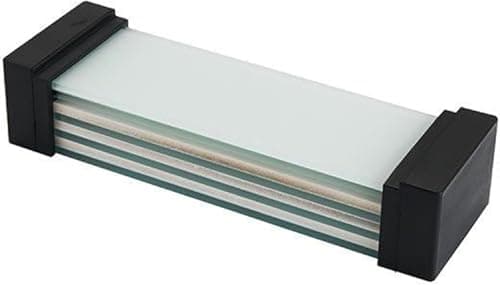
Shapton Glass 500, 2000, 16000 set with Field Holder
See price on AmazonSee it on Amazon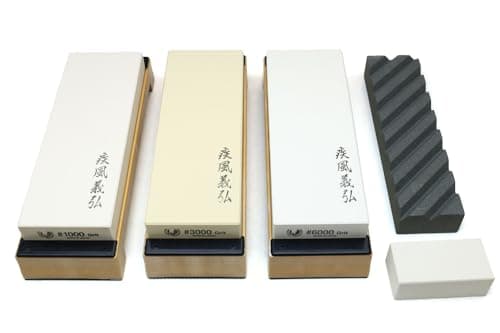
Yoshihiro 1000, 3000, 6000 set with fixer and nagura
See price on AmazonSee it on Amazon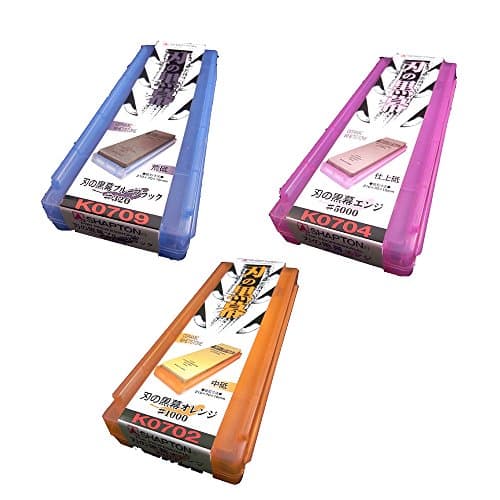
Shapton Kuromaku D-set: 320, 1000, 5000
See price on AmazonSee it on Amazon
If your knife feels sharp after sharpening and then struggles with a tomato a few days later, something in your routine is wearing the edge down. This page walks through the common causes, from cutting boards and technique to sharpening mistakes, with a quick table to find yours and a fix for each. It is for home cooks with Japanese or German knives who want the edge to last weeks or months, not days.
Common causes at a glance
Glass, stone, ceramic or marble board
- How it dulls the edge
- Hard surface flattens and chips the edge on every cut
- Fix
- Use end-grain or edge-grain wood, or soft plastic
Bamboo board
- How it dulls the edge
- Hard and contains silica-rich glue lines
- Fix
- Switch to a softer wood or rubber board
Scraping food with the edge
- How it dulls the edge
- Drags the edge sideways across the board
- Fix
- Flip the knife and scrape with the spine
Twisting or prying
- How it dulls the edge
- Bends or chips the thin edge
- Fix
- Cut straight; use a heavier knife for hard items
Leftover burr after sharpening
- How it dulls the edge
- The weak burr folds over in a day or two
- Fix
- Deburr properly on a fine stone
Over-honing on a steel rod
- How it dulls the edge
- Grooved steel wears or chips hard edges
- Fix
- Use a fine ceramic rod lightly, or a fine stone
Dishwasher
- How it dulls the edge
- Edge rattles against racks and dishes
- Fix
- Hand wash only
Wrong sharpening angle
- How it dulls the edge
- Too acute for the steel, or not reaching the edge
- Fix
- Match the maker's angle
| Cause | How it dulls the edge | Fix |
|---|---|---|
| Glass, stone, ceramic or marble board | Hard surface flattens and chips the edge on every cut | Use end-grain or edge-grain wood, or soft plastic |
| Bamboo board | Hard and contains silica-rich glue lines | Switch to a softer wood or rubber board |
| Scraping food with the edge | Drags the edge sideways across the board | Flip the knife and scrape with the spine |
| Twisting or prying | Bends or chips the thin edge | Cut straight; use a heavier knife for hard items |
| Leftover burr after sharpening | The weak burr folds over in a day or two | Deburr properly on a fine stone |
| Over-honing on a steel rod | Grooved steel wears or chips hard edges | Use a fine ceramic rod lightly, or a fine stone |
| Dishwasher | Edge rattles against racks and dishes | Hand wash only |
| Wrong sharpening angle | Too acute for the steel, or not reaching the edge | Match the maker's angle |
Your cutting board
The cutting board is the most common cause. Every cut ends with the edge hitting the board. Glass, granite, marble, slate and ceramic are much harder than knife steel, so they roll or chip the edge fast. Bamboo is harder than most woods and the glue used in bamboo boards can be abrasive. Plates are just as bad; never cut on a plate.
End-grain and edge-grain hardwoods such as maple, walnut and cherry, softer woods like hinoki, and soft rubber or synthetic boards are kind to edges. See best cutting board for Japanese knives.
Technique: scraping, twisting and rocking
Scraping chopped food across the board with the edge is a very common habit. It pushes the thin edge sideways and rolls it in a few passes. Turn the knife over and use the spine instead, or use a bench scraper.
Twisting the blade to split squash or pry apart frozen items stresses the edge sideways. Hard Japanese edges chip rather than bend. Slamming the edge into the board in a hard rock chop has a similar effect. Push and pull cuts are much gentler; see how to cut with a chef knife.
Note.Bones, frozen food, pits and hard cheese rinds dull and chip edges fast. Use a cleaver or a softer Western knife for those.
Sharpening mistakes that make edges fail early
Our whetstone sharpening guide shows how to raise and remove a burr. If you prefer a machine, read electric sharpeners on Japanese knives first.
- Leaving a burr. A burr feels sharp at first, then folds over. Finish with light alternating strokes on a fine stone, or strop.
- Not reaching the apex. If you never raised a burr along the full edge, the old dull edge is still there under a new bevel.
- Angle too low for the steel. A very acute edge on soft steel rolls quickly. Match the maker's angle; see the sharpening angle finder.
- Coarse finish only. An edge finished at a coarse grit is toothy and loses its bite sooner. Refine on a 3000-6000 grit stone.
- Pull-through overuse. Coarse carbide slots can leave a ragged edge that dulls quickly on hard steels.
Honing: too much or the wrong rod
Honing realigns a slightly rolled edge. It works well on softer German knives. On hard Japanese knives, a grooved steel rod can chip the edge, and heavy or frequent honing at the wrong angle wears it down. Use a fine ceramic rod with a few very light strokes at the knife's angle, or do a few passes on a fine whetstone instead. See honing rod for Japanese knives.
Is it the steel?
Sometimes the knife really is soft. Inexpensive knives may be hardened below about HRC 55 and lose their edge quickly no matter what you do. German knives around HRC 56-58 need more frequent honing than Japanese knives around HRC 60-64. If you have fixed your board, technique and sharpening and the edge still fades fast, a harder steel may help. Compare steels in our Japanese knife steel chart and what HRC means.
Ready to upgrade? Our best Japanese knives for beginners lists hard-wearing stainless picks, and best whetstone sets covers the stones to keep them sharp.
A simple routine that keeps edges sharp
- 1
Cut only on wood or soft plastic boards.
- 2
Use push and pull cuts; scrape with the spine.
- 3
Hand wash and dry right after use.
- 4
Store in a block, on a magnetic strip or in a saya, not loose in a drawer.
- 5
Touch up on a fine stone or ceramic rod when the knife starts to skid on tomato skin.
- 6
Do a full whetstone sharpening, with proper deburring, every few months.
Frequently asked questions
Why does my knife get dull so fast after sharpening? Most often a burr was left on the edge, or the edge is hitting a hard board. Deburr on a fine stone and switch to a wood board.
Do glass cutting boards dull knives? Yes, quickly. Glass is harder than steel and flattens or chips the edge with every cut.
How often should a good knife need sharpening? With a wood board and good technique, a home knife often goes several weeks to a few months between full sharpenings, with light touch-ups in between.
Can honing make a knife duller? Yes, if you use a grooved steel on a hard Japanese edge or hone too hard and often. Use a fine ceramic rod gently.
What you need for this
- See price on AmazonAmazon
Shapton Glass 500, 2000, 16000 set with Field Holder
 See price on AmazonAmazon
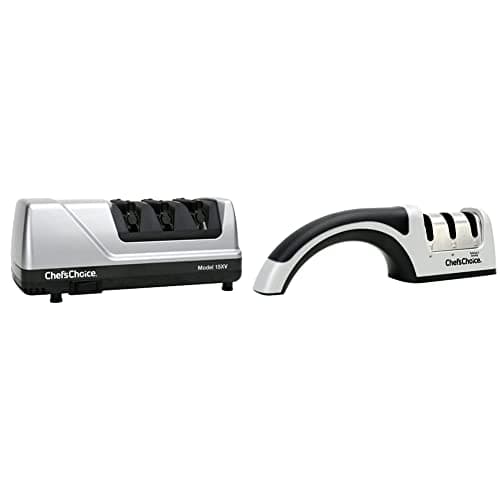
Chef'sChoice Trizor XV, 3-stage electric 15-degree sharpener
 See price on AmazonAmazon
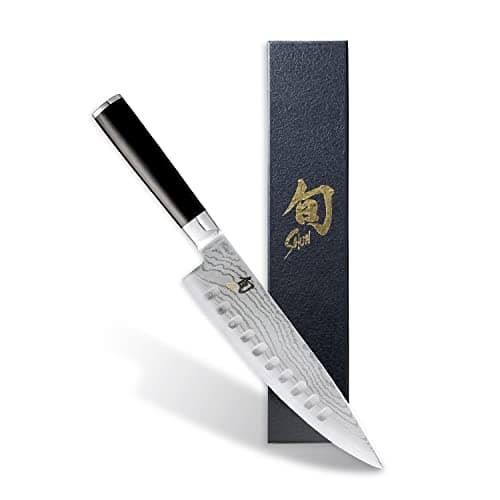
Shun Classic 8 in hollow ground chef, 16-degree
From Best Japanese knives for beginners: forgiving first picks