Explainer
Are Shun knives good, and are they made in Japan
Published
Short answer
Yes, Shun knives are good, well-made Japanese knives. They are made in Seki, Japan by the Kai group, most popular lines use a hard VG-MAX stainless core sharpened to 16 degrees per side, and they arrive very sharp. The trade-off is that the hard, thin edge can chip if you twist it, cut bone or use a glass board.
Picks for this job
All 6 picks compared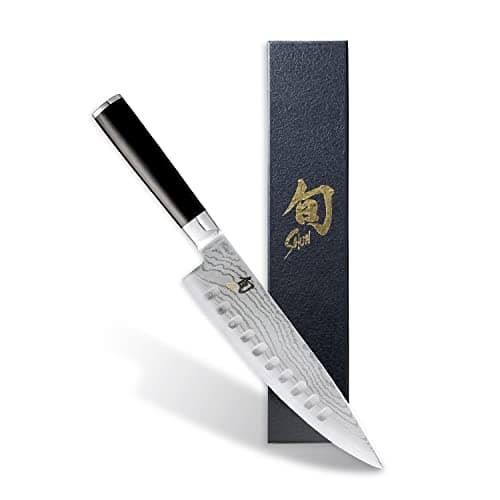
Shun Classic 8" hollow ground chef's knife
See price on AmazonSee it on Amazon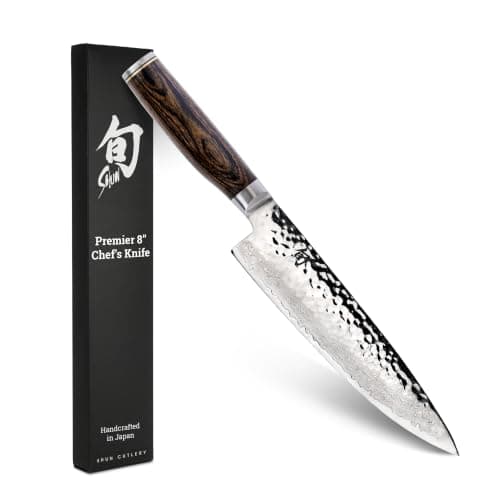
Shun Premier 8" chef's knife, hammered VG-MAX
See price on AmazonSee it on Amazon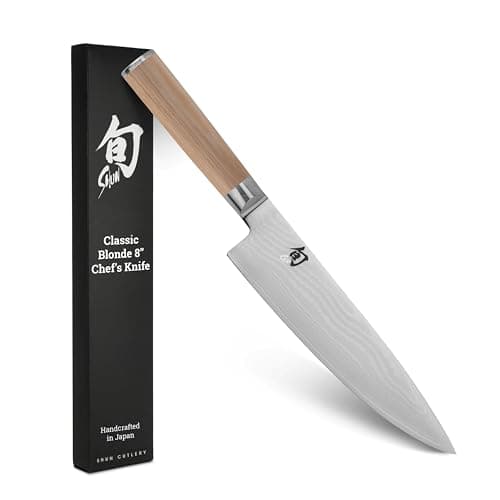
Shun Classic Blonde 8" chef's knife, light handle
See price on AmazonSee it on Amazon
Shun is one of the most visible Japanese knife brands in US stores, so it gets asked about constantly. This page answers the common questions: whether Shun knives are actually made in Japan, what the VG-MAX steel and 16-degree edge mean in daily use, why some owners report chips, how Shun compares with Miyabi and German brands, and what to know about sharpening and service. It is for home cooks deciding whether a Shun is right for them.
Are Shun knives made in Japan?
Yes. Shun is a brand of the Kai group, and Shun knives are made in Seki City, in Gifu Prefecture, a city with a long knife-making history. Current Amazon listings for Shun Classic and Premier chef knives state that each knife is handcrafted in Japan.
Kai also sells other brands and products, some made elsewhere, so check the country of origin on the specific item if it matters to you. For the Shun-branded kitchen knives covered here, Japan is the stated origin.
What steel Shun uses and what it means
Shun's best-known lines, Classic and Premier, use a VG-MAX stainless steel core clad in layered Damascus steel; the listings describe 68 layers of cladding. VG-MAX is Shun's proprietary development of VG-10. It is generally described as hardened to about HRC 60 to 61.
In practice this means the knife holds a keen edge longer than a typical German knife hardened around HRC 56 to 58, and it resists rust well for a Japanese knife. Higher-end lines such as Dual Core use different steel combinations. The steel chart compares VG-MAX with other common steels, and what is VG-10 steel explains the base alloy.
- Edge retention
- rises with hardness
- Chip risk
- rises with hardness
- Ease of sharpening
- falls with hardness
Steels on the chart: X50CrMoV15 HRC 56 to 58; Cromova 18 HRC 56 to 58; AUS-10 HRC 59 to 60; VG-10 HRC 60 to 61; VG-MAX HRC 60 to 61; FC61 HRC 61 to 61; Ginsan (Silver 3) HRC 60 to 61; SG2 / R2 HRC 62 to 64; ZDP-189 HRC 64 to 66; Shirogami 1 and 2 HRC 61 to 64; Aogami 1 and 2 HRC 61 to 64; Aogami Super HRC 63 to 65.
The 16-degree edge: very sharp, less forgiving
Shun sharpens its knives to 16 degrees per side, as stated in the listings. That is more acute than many German knives, which are commonly sharpened around 14 to 20 degrees depending on brand and era. Combined with a thin blade, it gives the clean, low-effort cutting that Shun is known for.
The downside is that an acute, hard edge has less steel supporting it. It cuts beautifully but is less tolerant of abuse than a softer German edge. See why Japanese knives are so sharp for the full trade-off.
Why some Shun knives chip
Chipping is the most common complaint about Shun, and it applies to most hard Japanese knives, not Shun alone. Typical causes:
- Cutting through bones, frozen food or hard rinds
- Twisting or prying the blade in dense food like squash
- Using glass, stone, marble or ceramic boards
- Rocking hard on the tip, or scraping food off the board with the edge
- Dishwashers, where the blade can knock against other items
- Pull-through or coarse electric sharpeners that can tear a hard edge
Note.Small chips can be sharpened out at home. See chipped Japanese knife for how, and when to send the knife in.
Sharpening, service and warranty
Shun listings mention free sharpening and honing support. Service programs, shipping terms and warranty coverage can change, so check Shun's current policy on its official site before you rely on it. Our Shun free sharpening and repair page covers what to look for.
You can also sharpen Shun knives yourself on whetstones at 16 degrees. See how to sharpen Shun knives. Many owners hone lightly with a fine ceramic or a leather strop between sharpenings rather than a ridged steel rod; see honing rods for Japanese knives.
Shun lineups and prices at a glance
Prices below come from current Amazon listings for 8-inch chef knives and change often.
Classic Blonde
- Core steel (per listing)
- VG-MAX, 68-layer Damascus
- Handle
- D-shaped blonde Pakkawood
- Listed price
- about $165
Premier
- Core steel (per listing)
- VG-MAX, 68-layer Damascus, hammered finish
- Handle
- Contoured Pakkawood
- Listed price
- about $176
Classic 10-inch
- Core steel (per listing)
- VG-MAX
- Handle
- D-shaped Pakkawood
- Listed price
- about $200
Dual Core
- Core steel (per listing)
- Two-steel core (see listing)
- Handle
- See listing
- Listed price
- about $350
| Line | Core steel (per listing) | Handle | Listed price |
|---|---|---|---|
| Classic Blonde | VG-MAX, 68-layer Damascus | D-shaped blonde Pakkawood | about $165 |
| Premier | VG-MAX, 68-layer Damascus, hammered finish | Contoured Pakkawood | about $176 |
| Classic 10-inch | VG-MAX | D-shaped Pakkawood | about $200 |
| Dual Core | Two-steel core (see listing) | See listing | about $350 |
How Shun compares with other brands
Against Miyabi, Shun offers a similar class of hard stainless knives; Miyabi's higher lines use SG2 powder steel and thinner edges, with Western-style handles that some prefer. See Shun vs Miyabi. Against Wusthof and other German brands, Shun is harder, thinner and sharper out of the box, while German knives are tougher and more forgiving. See Shun vs Wusthof.
Shun is a good fit if you want a sharp, attractive Japanese knife from a widely available brand, will hand wash it and use a wood or soft board. If you cut bone often or want a knife you can abuse, a German knife or a tougher Japanese steel is a better choice. The best Japanese kitchen knives list covers alternatives.
Frequently asked questions
Is Shun a good knife brand? Yes. Shun makes well-finished Japanese knives with hard stainless steel and sharp 16-degree edges. They suit cooks who will hand wash and avoid bones and hard boards.
Are Shun knives made in China? Shun kitchen knives are made in Seki, Japan according to the brand and its listings. Kai sells other brands and products that may be made elsewhere.
Why did my Shun knife chip? Hard, thin edges chip from bones, frozen food, twisting, glass boards, dishwashers or harsh sharpeners. Small chips can be sharpened out.
Does Shun sharpen knives for free? Shun listings mention free sharpening and honing. Check the maker's current policy for terms, shipping costs and eligibility before sending a knife.
What you need for this
- See price on AmazonAmazon
Shun Classic 8 in hollow ground chef, 16-degree
From Best Shun knives: Classic, Premier, Dual Core, Sora and Kanso
 See price on AmazonAmazon
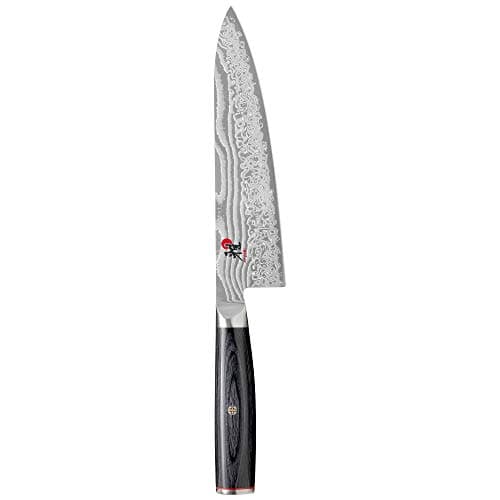
Miyabi Kaizen II 8" chef's knife, FC61 at 61 HRC
From Best Miyabi knives: Kaizen II, Mizu, Koh, Koya, Artisan, Birchwood and Black