Explainer
How much does a good Japanese knife cost
Published
Short answer
In current US listings, a good Japanese chef knife from an established brand starts around $150 to $200. Spending $250 to $400 typically buys harder powder steel or carbon steel, better fit and finish and nicer handles, while $400 and up buys hand-forged or premium lines with refined grinds and finishing.
Picks for this job
All 8 picks compared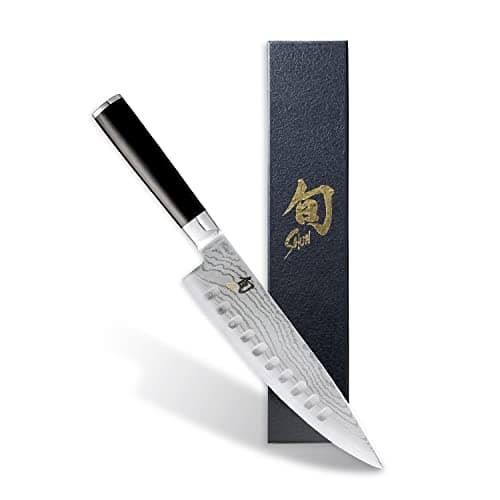
Shun Classic 8" chef's knife, VG-MAX with 16-degree edge
See price on AmazonSee it on Amazon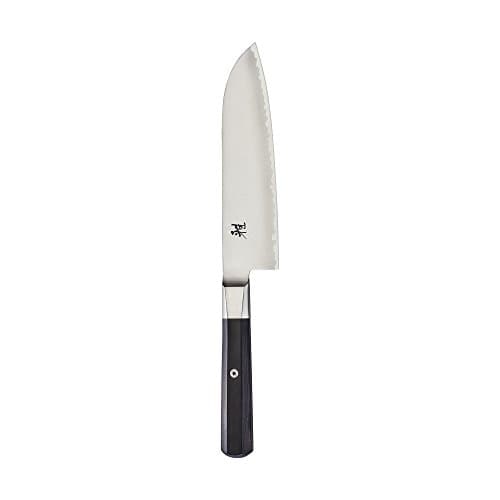
Miyabi Koh 7" santoku, FC61 steel at 61 HRC
See price on AmazonSee it on Amazon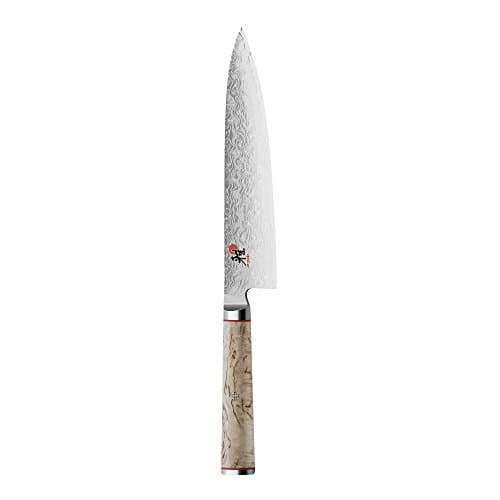
Miyabi Birchwood SG2 8" chef's knife, 9.5-12 degree edge
See price on AmazonSee it on Amazon
Japanese knife prices range widely, and it is not always obvious what the extra money buys. This page breaks current US listing prices into tiers, using real listings for brands such as Shun, Miyabi, MAC, Misono, Masamoto and Yoshihiro. For each tier you get the typical steel, finish and handle, who it suits, and where the returns start to diminish. It also covers knife sets, whether knives are cheaper in Japan, and the hidden cost of sharpening gear.
Price tiers at a glance
The table summarizes the price tiers seen in current Amazon listings for single chef knives (gyuto). Prices change often, so treat them as ranges rather than quotes. The listings this site tracks start at $150, so lower-priced knives are outside the scope of this page.
Entry premium
- Typical price
- about $150 to $250
- Typical steel
- VG-10, VG-MAX, AUS-10, Swedish stainless
- Examples from listings
- MAC MTH-80, Shun Classic and Premier 8-inch, Miyabi Kaizen II, Masamoto VG, Yoshihiro VG10 gyuto
Mid to upper
- Typical price
- about $250 to $400
- Typical steel
- SG2 powder steel, Aogami, Shirogami
- Examples from listings
- Miyabi Birchwood SG2, Misono UX10 210 mm, Yoshihiro blue and white steel gyuto, Shun Dual Core
High end
- Typical price
- about $400 to $520
- Typical steel
- Premium carbon or powder steel, refined finishing
- Examples from listings
- Masamoto KS and SW gyuto, Miyabi Black 9.5-inch
Sets
- Typical price
- about $250 to over $1,000
- Typical steel
- Varies by line
- Examples from listings
- Two-knife chef and petty pairs up to large Shun block sets
| Tier | Typical price | Typical steel | Examples from listings |
|---|---|---|---|
| Entry premium | about $150 to $250 | VG-10, VG-MAX, AUS-10, Swedish stainless | MAC MTH-80, Shun Classic and Premier 8-inch, Miyabi Kaizen II, Masamoto VG, Yoshihiro VG10 gyuto |
| Mid to upper | about $250 to $400 | SG2 powder steel, Aogami, Shirogami | Miyabi Birchwood SG2, Misono UX10 210 mm, Yoshihiro blue and white steel gyuto, Shun Dual Core |
| High end | about $400 to $520 | Premium carbon or powder steel, refined finishing | Masamoto KS and SW gyuto, Miyabi Black 9.5-inch |
| Sets | about $250 to over $1,000 | Varies by line | Two-knife chef and petty pairs up to large Shun block sets |
About $150 to $250: the sweet spot for most home cooks
This tier covers most well-known Japanese chef knives. Listings in this range include the MAC MTH-80 (about $150), Shun Classic Blonde 8-inch (about $165), Shun Premier 8-inch (about $176), Miyabi Kaizen II 8-inch (about $170), Masamoto VG and AT gyuto (about $185 to $260 depending on length) and Yoshihiro VG10 Damascus gyuto (about $170 to $260).
What you get: a hardened stainless steel, usually around HRC 59 to 61, a factory edge sharper than most German knives, and a decent Pakkawood or wood handle. Many cooks never need to spend more. Our best Japanese knives for beginners list sits mostly in this range.
About $250 to $400: harder steel and better finish
Moving up buys three things. First, steel: SG2 (R2) powder steel at about HRC 62 to 64, or carbon steels such as Aogami and Shirogami. Second, finish: better grinds, more even Damascus or hammered patterns, smoother spines and choils. Third, handles: Karelian birch, ebony or octagonal wa handles.
Listing examples include the Miyabi Birchwood SG2 8-inch (about $300), Misono UX10 gyuto in 210 mm (about $268), Yoshihiro blue steel and white steel gyuto (about $260 to $300) and the Shun Dual Core 8-inch (about $350). These knives hold an edge longer, but the harder steels also need more careful use. See the steel chart and Aogami vs Shirogami.
About $400 and up: premium and hand-finished lines
Above about $400, listings include Masamoto KS and SW gyuto (about $480 to $520) and the Miyabi Black 9.5-inch (about $500). Here you pay for refined grinds, high-end steels, careful heat treatment and finishing, and brand reputation.
The performance gain over a good $250 knife is real but smaller than the price gap. These knives make most sense for cooks who sharpen on stones and appreciate the finer differences. See the best high-end Japanese knives.
Note.A more expensive knife is not automatically a better first knife. Harder, thinner, carbon-steel blades are less forgiving of mistakes in use and care.
What knife sets cost
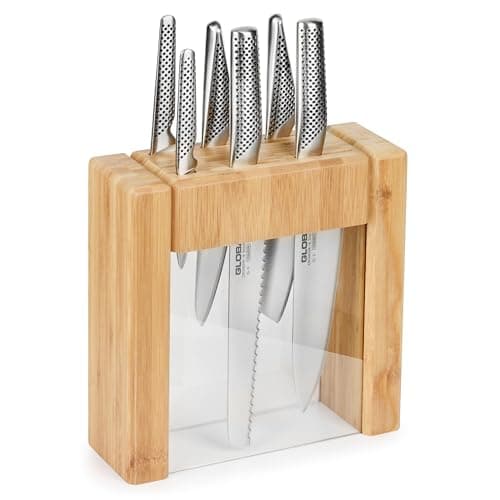
Sets range widely in current listings. Two-knife chef and paring or chef and petty pairs run from about $170 (Global) to about $400 (Yoshihiro gyuto and petty). Three-piece starter sets from Shun and MAC run about $250 to $400. Large block sets reach about $900 to over $1,000 for Shun Classic.
A set can be good value if you will use every knife. Many cooks get more from a quality chef knife plus a petty than from a large block. See best Japanese knife sets and how many knives you need.
Hidden costs: sharpening and boards
Budget for upkeep. A Japanese knife needs a way to sharpen it, and listings for whetstone sets from Shapton start around $150 to $280, with lapping plates around $300 for keeping stones flat. Guided and rolling sharpeners from Work Sharp and HORL run about $160 to $370.
You also need a wood or soft synthetic cutting board; a hard board can shorten an edge's life quickly. See the best whetstone sets and what cutting board is best for Japanese knives.
Are Japanese knives cheaper in Japan?
Often the same knife costs less in a Japanese shop than at US retail, because of import costs, distributor margins and exchange rates. But savings depend on the exchange rate, sales tax, shipping and any import duties, and warranty or service may only apply in the country of purchase. If you are traveling, buying in Japan can be worthwhile; ordering from abroad is less clear-cut once shipping is added.
See where to buy Japanese knives for retailer types and what to check.
Frequently asked questions
How much should I spend on my first Japanese knife? About $150 to $250 buys a well-made knife from an established brand. That range covers most popular Shun, Miyabi, MAC and Masamoto chef knives in current listings.
Why are some Japanese knives so expensive? Harder or carbon steels, hand forging and grinding, refined finish, premium handles and small production runs all add cost.
Is a $500 knife twice as good as a $250 knife? No. Higher-priced knives offer smaller, more refined improvements. The biggest jump in performance comes from moving to a good knife and keeping it sharp.
Do Japanese knife prices change often? Yes. Listing prices move with sales, stock and exchange rates, so check the current price before buying.
What you need for this
- See price on AmazonAmazon
Shun Classic 8 in hollow ground chef, 16-degree
From Best Japanese kitchen knives for home cooks: one pick per job
 See price on AmazonAmazon
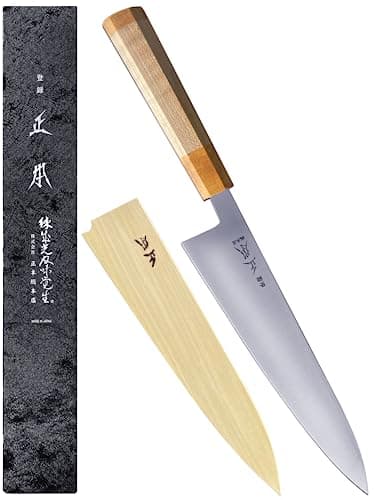
Masamoto KS 240 mm gyuto, Shirogami #2 at HRC 62-63
 See price on AmazonAmazon
Global Ikasu 7-piece set, Cromova 18 at 58 HRC
From Best Japanese knife sets built around a gyuto or santoku