Explainer
Where to buy Japanese knives in the US
Published
Short answer
In the US, buy Japanese knives from the brand's own store, from authorized retailers such as major kitchen stores and specialist Japanese knife shops, or on Amazon from listings that are shipped and sold by Amazon or by the brand's official storefront. Those sources give you genuine knives and warranty support. Be cautious with unknown third-party sellers, prices far below the usual range, and listings that hide the brand or steel.
Picks for this job
All 8 picks compared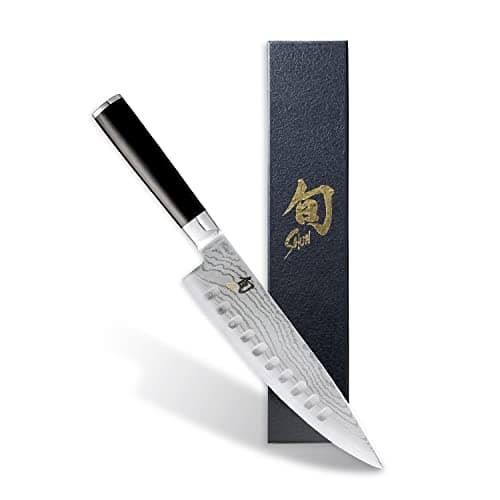
Shun Classic 8" chef's knife, VG-MAX with 16-degree edge
See price on AmazonSee it on Amazon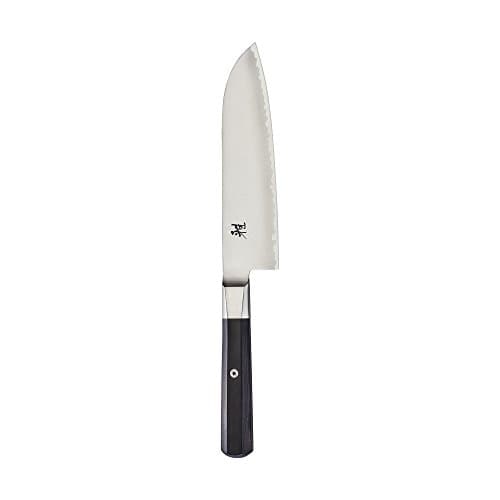
Miyabi Koh 7" santoku, FC61 steel at 61 HRC
See price on AmazonSee it on Amazon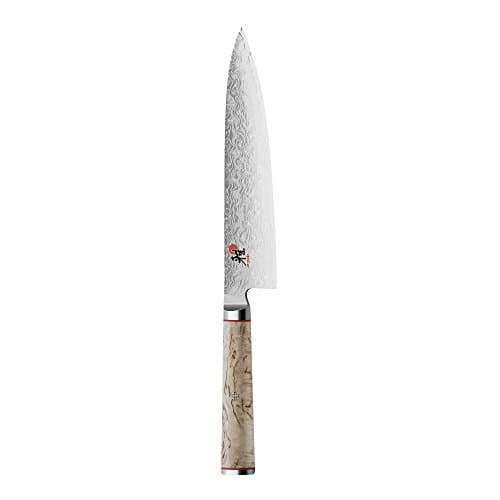
Miyabi Birchwood SG2 8" chef's knife, 9.5-12 degree edge
See price on AmazonSee it on Amazon
This page is for home cooks ready to buy a Shun, Miyabi, Global, MAC or other Japanese knife who want to be sure they get a genuine knife with a valid warranty. It covers the main places to buy, how to check an Amazon listing's seller, what grey-market stock is, how to spot fakes, and when a specialist shop is worth it. It does not recommend specific stores by name beyond the brands themselves.
The main places to buy
Japanese knives reach US buyers through a few channels. Each has strengths, and the right one depends on whether you value price, choice or advice.
Brand's own US store
- Pros
- Genuine, full warranty, full lineup
- Watch out for
- Prices often at list
Department and kitchen chains
- Pros
- Can hold knives in person, frequent sales
- Watch out for
- Limited to big brands
Specialist Japanese knife shops
- Pros
- Wide range of makers and steels, expert advice
- Watch out for
- Smaller makers have varied warranty terms
Amazon (sold by Amazon or brand storefront)
- Pros
- Fast shipping, easy returns
- Watch out for
- Third-party sellers on the same listing
Marketplaces and auction sites
- Pros
- Occasional bargains
- Watch out for
- Fakes, used or grey-market stock
| Channel | Pros | Watch out for |
|---|---|---|
| Brand's own US store | Genuine, full warranty, full lineup | Prices often at list |
| Department and kitchen chains | Can hold knives in person, frequent sales | Limited to big brands |
| Specialist Japanese knife shops | Wide range of makers and steels, expert advice | Smaller makers have varied warranty terms |
| Amazon (sold by Amazon or brand storefront) | Fast shipping, easy returns | Third-party sellers on the same listing |
| Marketplaces and auction sites | Occasional bargains | Fakes, used or grey-market stock |
How to check a seller on Amazon
Several sellers can share one Amazon product page, so the seller matters as much as the listing. Before you buy, look just below the price for the "Ships from" and "Sold by" lines. The safest combinations are shipped and sold by Amazon.com, or sold by the brand's official store (for example a storefront run by the brand or its US distributor). A brand storefront usually has a "Visit the [Brand] Store" link under the title.
If the seller is an unfamiliar name, open the seller profile and check how long they have been selling and what else they sell. Note that some knives are fulfilled by Amazon but sold by a third party; that controls shipping, not authenticity.
- 1
Open the listing and find the Ships from and Sold by lines next to the price.
- 2
Prefer Amazon.com or the brand's official store as the seller.
- 3
If another seller is shown, open Other sellers and pick one of the above if available.
- 4
Check the model number on the listing matches the brand's own website.
- 5
Keep the order invoice; you may need it for a warranty claim.
Authorized dealers and your warranty
Major brands such as Shun, Miyabi, Global and MAC sell through authorized dealers, and some brands limit warranty service or free sharpening to knives bought from them. Shun, for example, offers free sharpening and a limited lifetime warranty on its knives; see Shun free sharpening and repair. Policies differ by brand and change over time, so read the warranty page on the brand's own site before you buy.
If a brand lists its authorized retailers, use that list. Buying from an authorized dealer also matters if the knife arrives with a defect, because the dealer can exchange it quickly.
Note.Grey-market knives are genuine knives imported outside the brand's official US channel. They are often fine, but they may not be covered by the US warranty or service programs.
How to spot a fake Japanese knife
Counterfeits of popular brands and generic knives dressed up to look Japanese both exist. Fakes tend to cluster around heavily marketed Damascus looks and well-known names. A few checks catch most of them.
- Price far below what authorized retailers charge for the same model.
- Model number missing, or not found on the brand's own website.
- Blurry, misspelled or oddly placed logos and kanji on the blade.
- Listings that say "Japanese style" or "Japanese steel" without naming the maker or the core steel.
- Damascus patterns that look printed or etched only on the surface, with no visible layer lines at the spine.
- Packaging without the brand's usual inserts, care card or warranty information.
When a specialist knife shop is worth it
Specialist Japanese knife retailers, both online and in larger US cities, carry smaller makers from Sakai, Seki, Tosa, Echizen and Sanjo that you will not find at department stores. They are the best route for carbon steel knives, single-bevel knives and unusual shapes. Many also offer sharpening, rehandling and advice on sizing.
For a first knife from a big brand, a kitchen chain or a brand store is simpler. For a second or third knife, or a hand-forged carbon blade, a specialist shop is often worth the extra effort. The carbon steel knife guide and high-end knife guide cover that tier.
Timing and price
Big Japanese brands are often discounted around major US sale periods, and authorized retailers usually match each other's prices. Instead of chasing the lowest price from an unknown seller, wait for a sale at a trusted store. For a realistic sense of what a good knife costs at each tier, see how much Japanese knives cost.
If you are still choosing a brand, are Miyabi knives good and are Shun knives good give an honest read on the two most common premium names.
Frequently asked questions
Is it safe to buy Shun or Miyabi on Amazon? Yes, when the knife is sold by Amazon.com or the brand's official storefront. Check the Sold by line before buying and avoid unknown third-party sellers on the same listing.
Are knives bought in Japan covered by the US warranty? Often not. Knives bought abroad or from grey-market importers may need to go back through the original seller. Check the brand's warranty terms.
Where can I hold a Japanese knife before buying? Kitchen chains and specialist knife shops usually let you hold display knives. That is the best way to judge handle shape and weight.
Are cheap Damascus knives from unknown brands real Japanese knives? Many are not made in Japan and do not name their core steel. See is Damascus steel better to read a listing critically.
What you need for this
- See price on AmazonAmazon
Shun Classic 8 in hollow ground chef, 16-degree
From Best Japanese kitchen knives for home cooks: one pick per job
 See price on AmazonAmazon
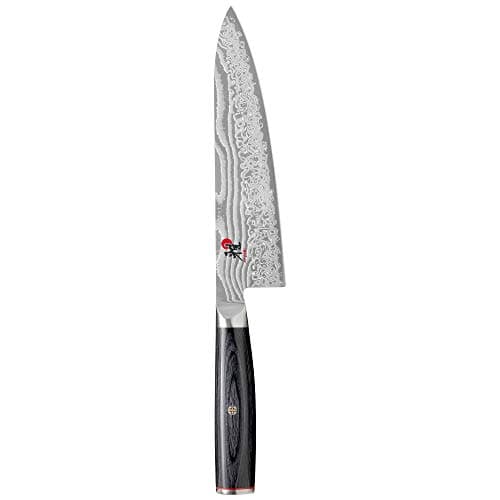
Miyabi Kaizen II 8" chef's knife, FC61 at 61 HRC
From Best Miyabi knives: Kaizen II, Mizu, Koh, Koya, Artisan, Birchwood and Black
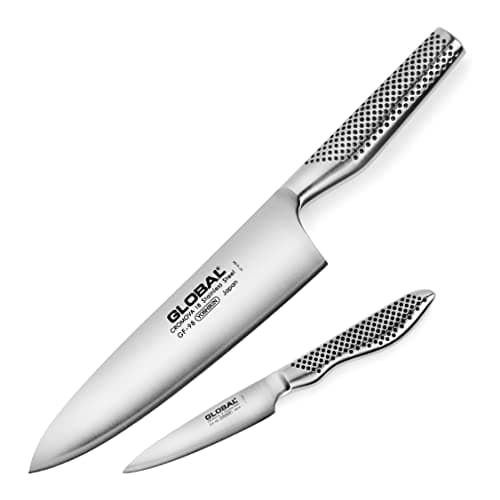 See price on AmazonAmazon
Global X 8 in chef plus 3.5 in paring set