Comparison
Nakiri vs Chinese cleaver for chopping vegetables
Published
Short answer
A nakiri is a light, thin Japanese vegetable knife with a flat edge, usually around 165 mm long, built for precise push cuts and fine slicing. A Chinese vegetable cleaver (cai dao) is taller and usually heavier, with a broad blade that chops, slices, smashes garlic and scoops food in one tool. Choose a nakiri for precision and a light feel; choose a Chinese cleaver if you want one tall blade that does nearly everything and you like extra weight.
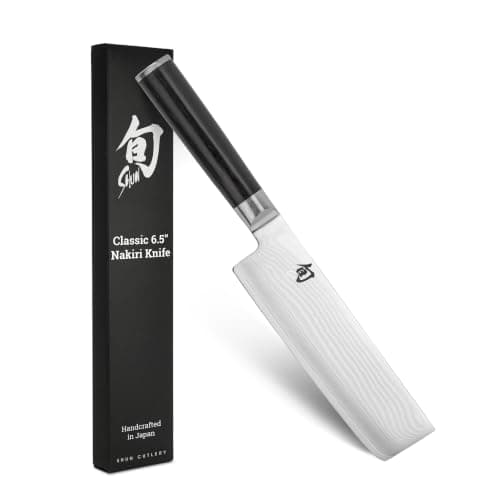
Shun
Shun Classic 6.5" nakiri for flat vegetable cuts
See price on Amazon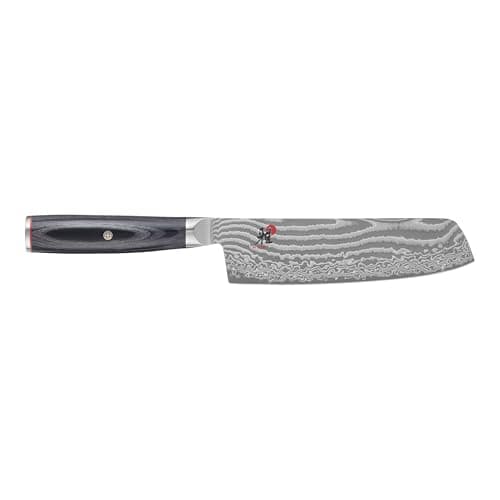
MIYABI
Miyabi Kaizen II 6.5" nakiri, FC61 at 61 HRC
See price on Amazon
- Shun Classic 6.5" nakiri for flat vegetable cuts
- Steel
- VG-MAX core, 68-layer Damascus cladding
- Hardness (HRC)
- Not stated
- Blade length
- 6.5 in
- Edge angle
- 16 degrees
- Miyabi Kaizen II 6.5" nakiri, FC61 at 61 HRC
- Steel
- FC61 core, 48 layers of damast steel
- Hardness (HRC)
- 61
- Blade length
- 6.5 in
- Edge angle
- 9.5-12 degrees
| Pick | Steel | Hardness (HRC) | Blade length | Edge angle | Price | Link |
|---|---|---|---|---|---|---|
| Shun Classic 6.5" nakiri for flat vegetable cuts | VG-MAX core, 68-layer Damascus cladding | Not stated | 6.5 in | 16 degrees | - | Amazon |
| Miyabi Kaizen II 6.5" nakiri, FC61 at 61 HRC | FC61 core, 48 layers of damast steel | 61 | 6.5 in | 9.5-12 degrees | - | Amazon |
Facts are taken from each Amazon listing. Prices are checked daily and shown with their date.
Verdict
Choose a Chinese vegetable cleaver if you cook wok-style food and want one tall, weighty blade for chopping, smashing and scooping. Choose a nakiri such as the Shun Classic 6.5-inch or Miyabi Kaizen II 6.5-inch if you want a light, precise vegetable knife alongside a chef knife.
This page is for home cooks who want a rectangular blade for vegetable prep and are choosing between the Japanese nakiri and the Chinese vegetable cleaver. Both look similar at a glance, but they differ in height, weight, thickness and the range of jobs they handle. This comparison covers those differences, which cooking styles each suits, and how to care for each. It uses two nakiri knives from our guides as reference points; no Chinese cleaver is currently in our guides, so cleaver traits are described in general terms.
Two rectangular blades, two traditions
The nakiri comes from Japanese home cooking, where vegetables are often cut into thin, even pieces. It is a double-bevel knife with a straight edge and a squared front, typically around 165 mm long, thin behind the edge and light in the hand. It is a specialist: excellent on produce, not designed for meat or bone. Our nakiri explainer covers the shape in detail.
The Chinese vegetable cleaver, often called a cai dao, is the main knife in many Chinese kitchens. Despite the name, a vegetable cleaver is not a bone chopper; it is a thin-edged general knife. It is usually taller than a nakiri and often longer, and it is used for slicing, chopping, mincing, smashing garlic with the flat and carrying food to the wok. Heavier bone cleavers are a separate tool with a thick edge.
牛刀Gyuto
180 to 270 mm
三徳Santoku
165 to 180 mm
菜切Nakiri
160 to 180 mm
文化Bunka
165 to 180 mm
切付Kiritsuke
210 to 270 mm
筋引Sujihiki
240 to 300 mm
ペティPetty
120 to 150 mm
Comparison table
The first table shows typical traits of each style, which vary by maker. The second shows two nakiri knives from our guides, with specs taken only from their listings.
Common length
- Nakiri
- About 165 mm (6.5 in)
- Chinese vegetable cleaver
- Often 180-230 mm
Blade height
- Nakiri
- Tall
- Chinese vegetable cleaver
- Taller, often much taller
Weight
- Nakiri
- Light
- Chinese vegetable cleaver
- Moderate to heavy
Edge
- Nakiri
- Flat, thin, double bevel
- Chinese vegetable cleaver
- Flat or slight curve, thin
Main use
- Nakiri
- Vegetables only
- Chinese vegetable cleaver
- Vegetables, boneless meat, fish, garlic smashing
Scooping
- Nakiri
- Good
- Chinese vegetable cleaver
- Excellent
| Feature | Nakiri | Chinese vegetable cleaver |
|---|---|---|
| Common length | About 165 mm (6.5 in) | Often 180-230 mm |
| Blade height | Tall | Taller, often much taller |
| Weight | Light | Moderate to heavy |
| Edge | Flat, thin, double bevel | Flat or slight curve, thin |
| Main use | Vegetables only | Vegetables, boneless meat, fish, garlic smashing |
| Scooping | Good | Excellent |
Reference nakiris: spec table
These two nakiris show the range of a premium Japanese vegetable knife. Both are 6.5 inches; the difference is steel, edge angle and handle.
Steel
- Shun Classic 6.5" Nakiri
- VG-MAX, 68 layers Damascus cladding
- Miyabi Kaizen II 6.5" Nakiri
- FC61 core, 48 layers damast steel
Hardness
- Shun Classic 6.5" Nakiri
- Not stated in listing
- Miyabi Kaizen II 6.5" Nakiri
- 61 Rockwell
Edge angle
- Shun Classic 6.5" Nakiri
- 16 degrees
- Miyabi Kaizen II 6.5" Nakiri
- 9.5 to 12 degrees, Honbazuke honed
Handle
- Shun Classic 6.5" Nakiri
- D-shaped Pakkawood
- Miyabi Kaizen II 6.5" Nakiri
- Black Pakkawood, mosaic pin
Made in
- Shun Classic 6.5" Nakiri
- Japan, handcrafted
- Miyabi Kaizen II 6.5" Nakiri
- Seki, Japan, handcrafted
Extras
- Shun Classic 6.5" Nakiri
- Free sharpening and honing
- Miyabi Kaizen II 6.5" Nakiri
- Double ice-hardened FRIODUR
| Spec | Shun Classic 6.5" Nakiri | Miyabi Kaizen II 6.5" Nakiri |
|---|---|---|
| Steel | VG-MAX, 68 layers Damascus cladding | FC61 core, 48 layers damast steel |
| Hardness | Not stated in listing | 61 Rockwell |
| Edge angle | 16 degrees | 9.5 to 12 degrees, Honbazuke honed |
| Handle | D-shaped Pakkawood | Black Pakkawood, mosaic pin |
| Made in | Japan, handcrafted | Seki, Japan, handcrafted |
| Extras | Free sharpening and honing | Double ice-hardened FRIODUR |
Height, weight and scooping
Blade height is the most visible difference. A Chinese cleaver's tall face works like a bench scraper: you can sweep a whole pile of chopped vegetables onto the blade and carry it to the pan. The flat face also crushes garlic and ginger with a press of the palm. A nakiri can scoop too, but it holds less.
Weight changes how each knife cuts. A heavier cleaver lets momentum help on dense vegetables like squash and carrots, and many cooks find it fast once they are used to it. A nakiri is much lighter and thinner, so it relies on sharpness rather than mass, which gives very clean slices and less wedging in firm produce. Cooks who find heavy knives tiring usually prefer the nakiri.
Note.Do not use a thin vegetable cleaver or a nakiri on bones or frozen food. Both edges can chip or roll. Use a dedicated bone cleaver for that work.
Which suits which cuisine and cook
If you cook a lot of Chinese and other wok-based food, the cleaver fits the workflow: slice meat thin for stir-fry, mince aromatics, smash garlic and scoop everything to the wok without changing knives. It can serve as a cook's only knife, though the lack of a tip makes fine detail work harder.
If you cook Japanese, Western or plant-based dishes with lots of fine vegetable cuts, the nakiri is lighter and more precise, especially for julienne, thin slices of cucumber and radish, and shredded cabbage. Most cooks pair a nakiri with a gyuto or santoku for proteins. See nakiri vs santoku and our nakiri guide for options.
- Wok cooking, one-knife workflow, likes weight: Chinese vegetable cleaver.
- Fine vegetable cuts, light knife, already own a chef knife: nakiri.
- Small hands or wrist strain: nakiri.
- Lots of garlic and ginger smashing: cleaver.
Sharpening and care
Both blades have flat edges, which makes them among the easiest shapes to sharpen on a whetstone, since there is little curve to follow. Japanese nakiris often have acute edges, such as the 9.5 to 12 degrees listed for the Miyabi Kaizen II, so keep a consistent low angle. The sharpening angle finder shows how high to lift the spine, and our whetstone set guide lists good starter stones.
Care depends on steel more than shape. Stainless nakiris like the two above need hand washing and drying. Many traditional Chinese cleavers use carbon steel, which needs to be wiped dry right away and will form a patina. See carbon steel patina for what to expect.
Frequently asked questions
Is a Chinese cleaver the same as a meat cleaver? No. A Chinese vegetable cleaver has a thin edge for slicing and chopping produce and boneless meat. A meat or bone cleaver is much thicker and heavier, built to chop through bone.
Can a nakiri replace a Chinese cleaver? For vegetable work, yes. It will not scoop as much or smash garlic as easily, and it is lighter, so some cleaver users find it less satisfying for heavy chopping.
Which is better for beginners? A nakiri is easier to control for most beginners because it is lighter and smaller. A cleaver takes some getting used to but becomes very efficient with practice.
Do I need both? Most home cooks do not. Choose the one that fits your cooking style, then add a chef knife or santoku for proteins and a petty for small tasks.
What you need for this
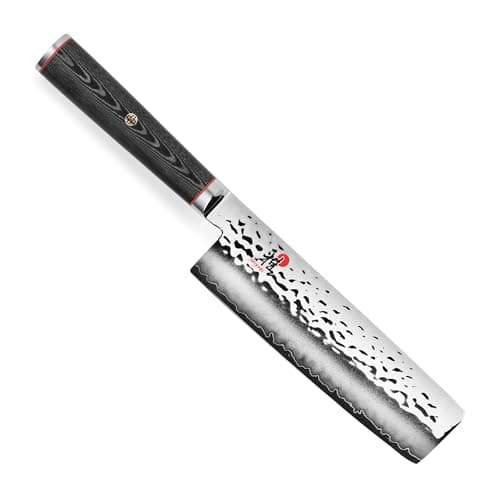 See price on AmazonAmazon
Miyabi Mizu SG2 6.5" nakiri, 63 HRC, 12-degree edge
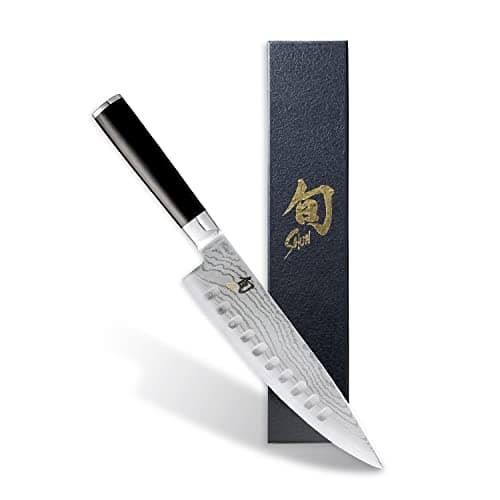 See price on AmazonAmazon
Shun Classic 8 in hollow ground chef, 16-degree
From Best Japanese kitchen knives for home cooks: one pick per job
 See price on AmazonAmazon
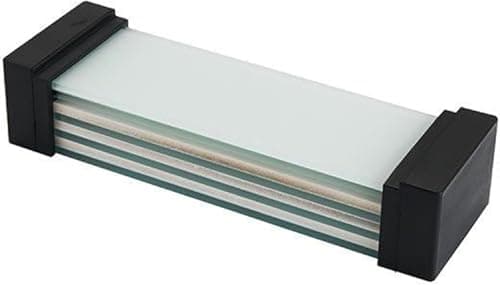
Shapton Glass 500, 2000, 16000 set with Field Holder